
What to Expect During the Restoration Process
People searching for storm restoration often want to understand what to expect during the process, and local contractors can guide them through repairs and recovery steps.
Understanding what to expect during the restoration process can help property owners feel more prepared and confident when facing storm-related damage. This journey often involves several key stages, including initial assessment, debris removal, structural repairs, and final cleanup. Knowing the typical steps involved can reduce uncertainty and make the experience less overwhelming. Local contractors specializing in storm restoration are experienced in guiding property owners through each phase, ensuring that the necessary work is handled efficiently and effectively.
For those in the area dealing with storm damage, exploring this topic is a practical way to gain insight into what the restoration process entails. It can also help property owners recognize the value of connecting with local service providers who understand the unique challenges posed by regional weather events. Keep reading to learn how local pros approach storm restoration, and discover how they can assist in restoring safety and stability to your property.
- Roof repairs - needed after storm damage causes leaks or structural issues, with local contractors assessing and restoring roofing systems.
- Siding replacement - required when high winds or hail damage exterior walls, and service providers specialize in matching and installing durable siding materials.
- Gutter and drainage work - necessary when storms lead to clogged or damaged gutters, with local pros ensuring proper water flow and protection.
- Window and door restoration - needed after storm impacts cause breakage or misalignment, with service providers repairing or replacing to restore security and insulation.
- Debris removal and cleanup - essential for clearing storm debris from property, with local contractors providing thorough and efficient cleanup services.
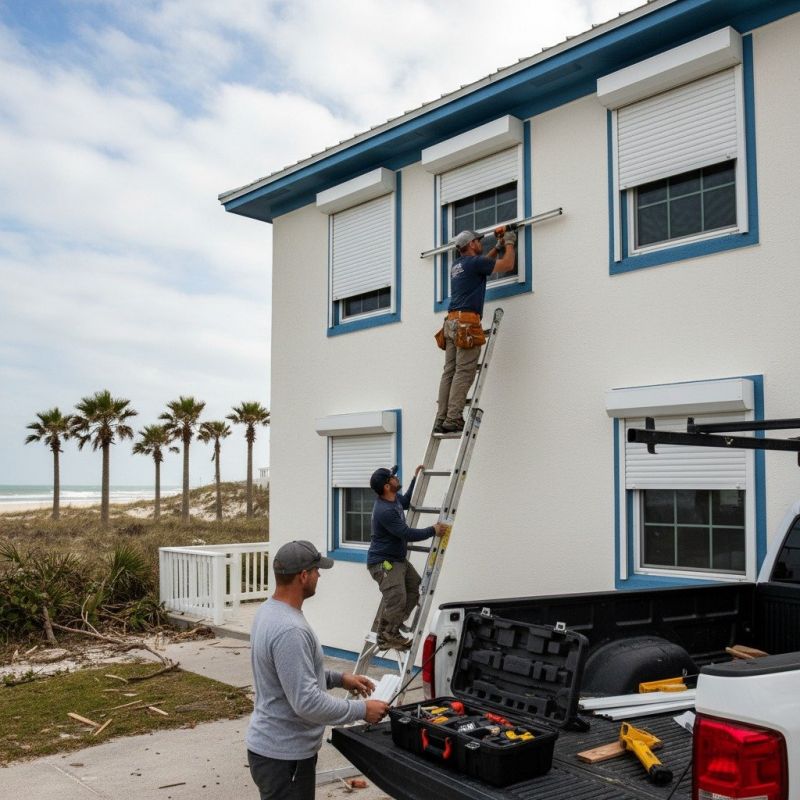
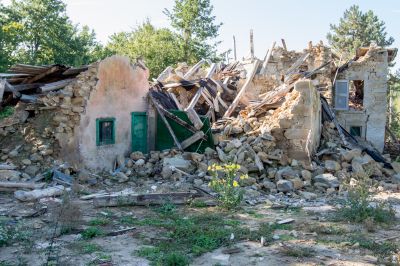
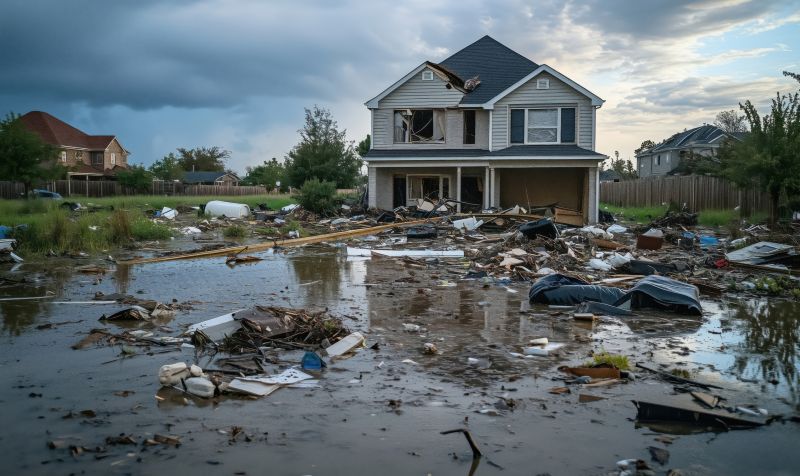
Understanding what to expect during the restoration process can help homeowners feel more prepared when dealing with storm-related damage. Typically, this process begins with an assessment where local contractors evaluate the extent of the damage, whether from wind, hail, or flooding. Once the assessment is complete, they will develop a plan to restore the property, which may involve repairs to roofing, siding, windows, or interior elements. Homeowners should anticipate a sequence of steps including debris removal, structural repairs, and weatherproofing measures. Throughout this process, clear communication with local service providers is key to understanding what work is being performed and how it will improve the property's resilience against future storms.
The types of problems addressed during storm restoration often relate to the immediate impact of severe weather events. Common issues include roof leaks, broken or missing shingles, damaged siding, and water intrusion into the home’s interior. These problems can lead to further deterioration if not promptly managed, making swift intervention essential. Homeowners may also face plans that involve reinforcing vulnerable areas, installing storm-resistant materials, or upgrading drainage systems. Local storm restoration professionals are experienced in handling these specific challenges, ensuring that repairs not only restore the property but also help it withstand future weather events more effectively.
Restoration projects typically involve a range of property types, with residential homes being the most common. Single-family houses, multi-family buildings, and even some small commercial properties can be affected by storms and require restoration services. The scope of work varies based on the severity of the damage, from minor repairs to extensive reconstruction. Homeowners should understand that local contractors are equipped to handle different property styles and sizes, adapting their approaches accordingly. Whether it’s a small home or a larger building, the goal remains to restore the property’s safety, functionality, and appearance, often with an emphasis on long-term durability.
Throughout the restoration process, homeowners can expect a series of practical steps that involve close collaboration with local service providers. This includes initial assessments, planning, and the execution of repairs, which may take several phases depending on the damage. Homeowners should be prepared for some disruption during repairs but can generally rely on the professionalism of local contractors to manage the work efficiently. These service providers bring expertise in storm-related damage, ensuring that repairs are thorough and tailored to each property’s needs. Understanding what to expect during the restoration process helps homeowners stay informed and confident as their property is brought back to a safe, stable condition.
Water Damage Restoration - this type of project involves assessing and repairing water intrusion, which shares planning and moisture management skills with storm restoration services.
Roof Repair and Replacement - roof work requires similar assessment, damage evaluation, and planning to restore structures affected by storms or severe weather.
Structural Repair Services - repairing compromised building frameworks involves similar structural assessment and planning skills as storm damage restoration.
Mold Remediation - this process involves moisture control and cleanup techniques that are often used alongside storm restoration efforts to ensure safety and integrity.
Exterior Siding and Cladding Repair - restoring damaged siding requires understanding weather impacts and planning repairs, paralleling storm damage restoration procedures.
Emergency Board-Up Services - securing damaged properties involves rapid assessment and planning, skills that are essential during the storm restoration process.
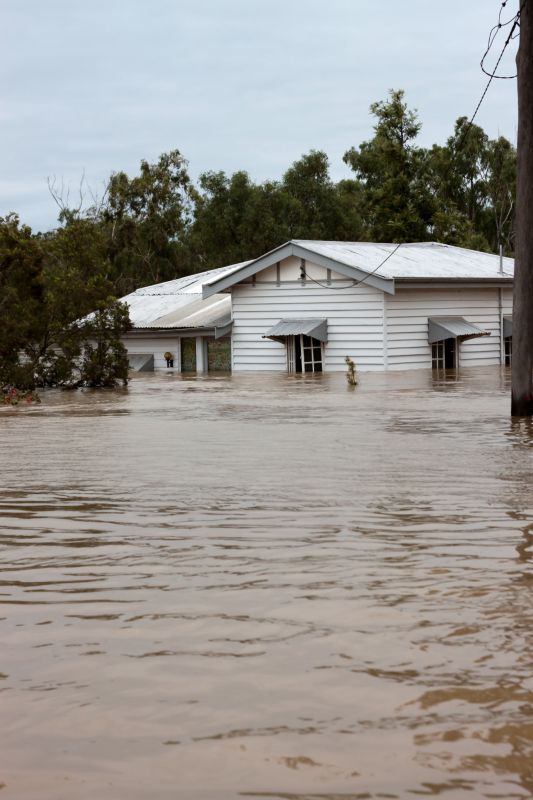
When evaluating storm restoration service providers, it is important to consider their experience with similar projects. Homeowners should seek out local contractors who have a track record of handling restoration work comparable to the scope of damage caused by storms. An experienced professional will be familiar with the typical challenges that arise during the process and can anticipate potential issues, helping to ensure a smoother restoration. This familiarity can also provide reassurance that the service provider understands the specific needs of homes in the area, which can influence how they approach the work and communicate what to expect during the restoration process.
Clear, written expectations are essential when working with local contractors for storm restoration services. Homeowners should look for service providers who provide detailed descriptions of the steps involved, the materials used, and the approximate timeline for each phase of the work. Having this information in writing helps prevent misunderstandings and ensures everyone is aligned on the scope of work. Transparent communication about what to expect during the restoration process also allows homeowners to plan accordingly and ask informed questions before work begins, fostering a more collaborative relationship.
Reputable references and effective communication are key indicators of trustworthy service providers. Homeowners are encouraged to seek out local contractors who can provide references from previous clients with similar projects. Speaking with past customers can offer insight into the contractor’s reliability, quality of work, and how well they communicated throughout the process. Good communication from the service provider includes timely updates, responsiveness to questions, and clarity about the progress of the restoration. These qualities help ensure that homeowners are well-informed and comfortable throughout what to expect during the restoration process.
Property owners often search for what to expect during the restoration process when they are planning practical projects around their homes and businesses. Local pros provide Storm Restoration services for everyday jobs and straightforward project options.


During the storm restoration process, property owners can typically expect a series of coordinated steps handled by experienced local contractors. After an initial assessment, the restoration team may begin by securing the property, which often involves tarping roofs or boarding up damaged windows to prevent further issues. As work progresses, they might remove debris, repair or replace damaged roofing, siding, or fencing, and address water intrusion or structural concerns. Throughout this process, property owners might observe crews working diligently, sometimes using heavy equipment or specialized tools, all aimed at restoring safety and stability to the property.
Understanding what to expect during the restoration process can help property owners feel more prepared for the inevitable disruptions. It’s common for there to be some noise, dust, and temporary inconveniences as repairs are made. Local service providers often communicate clearly about the scope of work, and their presence on-site may be noticeable as they work through different phases of the project. Engaging with experienced local contractors ensures that the restoration is managed efficiently, with the goal of returning the property to its pre-storm condition as smoothly as possible.
What are the typical steps involved during the restoration process? During storm restoration, local contractors typically assess the damage, secure the property, remove debris, and perform repairs or replacements as needed to restore the property to its pre-storm condition.
How do local service providers handle damage assessment during restoration? Local pros conduct thorough inspections to evaluate the extent of storm damage, which helps determine the necessary repairs and guides the restoration plan.
What should I expect in terms of communication during the restoration process? Service providers generally keep property owners informed about the progress, next steps, and any needed decisions, ensuring transparency throughout the restoration.
Are there common repairs or services provided during storm restoration? Yes, typical services include roof repairs, siding replacement, water damage mitigation, and structural repairs to address storm-related damage.
What is the typical timeline for completing storm restoration work? While timelines vary based on damage severity, local contractors aim to efficiently complete repairs, focusing on restoring safety and functionality as quickly as possible.
Understanding the Inspection Process - Local contractors typically begin with a thorough assessment of storm-damaged areas to identify necessary repairs and prioritize safety concerns.
Preparing for Repairs - Property owners can clear debris and secure loose items to facilitate the work and ensure a smoother restoration process handled by experienced service providers.
Scheduling and Coordination - Coordinating with local pros helps set expectations for when repairs will start and how different stages of the restoration will unfold.
Post-Repair Inspection and Cleanup - After repairs, contractors often perform a final walkthrough to confirm work completion and ensure the property is restored to a safe, functional condition.
If you are thinking about what to expect during the restoration process for a property, this guide is meant to help you understand this topic, the typical project types, and how different options might fit your plans.
When you are ready, you can use the quote form on this page to share a few details about your project. From there, local pros can review the basics and follow up with options that match what you have in mind.