
Optimal Timing for Storm Restorations
Storm restorations are most effective when performed promptly after storm events to minimize damage and prevent further issues. The optimal timing depends on weather patterns, seasonal conditions, and local climate factors. Planning restorations during periods of stable weather allows for safer and more efficient repair work, ensuring structures are restored to their best condition.
Conducting inspections immediately after storms helps identify damage early and prioritize restoration efforts.
Spring and early summer often provide favorable weather for storm restorations, avoiding harsh winter conditions or hurricane seasons.
Waiting for periods of calm weather reduces risks during repair work and improves safety for restoration crews.
Understanding local storm seasons helps schedule restorations during less active periods for better outcomes.
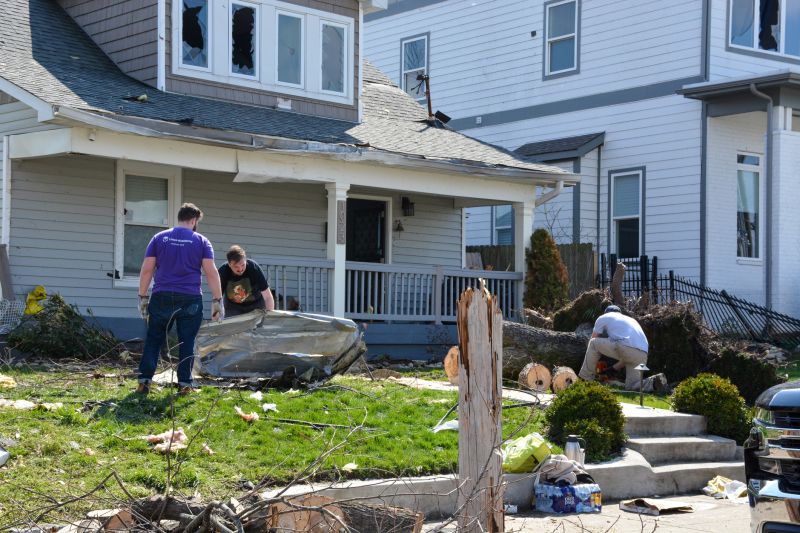
Assessing damage promptly after storms is critical for effective restoration.
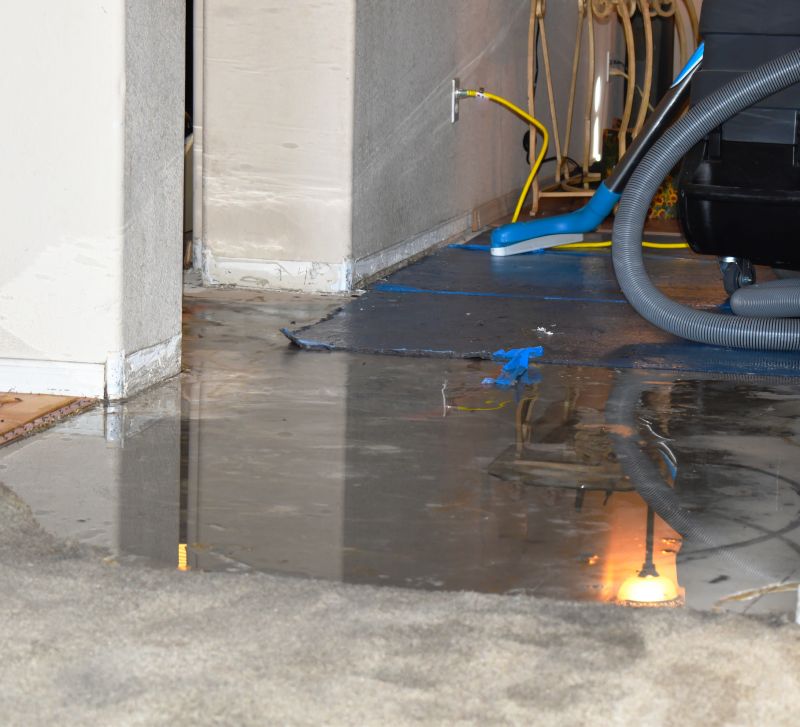
Proper equipment ensures efficient repairs during optimal weather conditions.
Immediate temporary fixes can prevent further damage before full restoration.
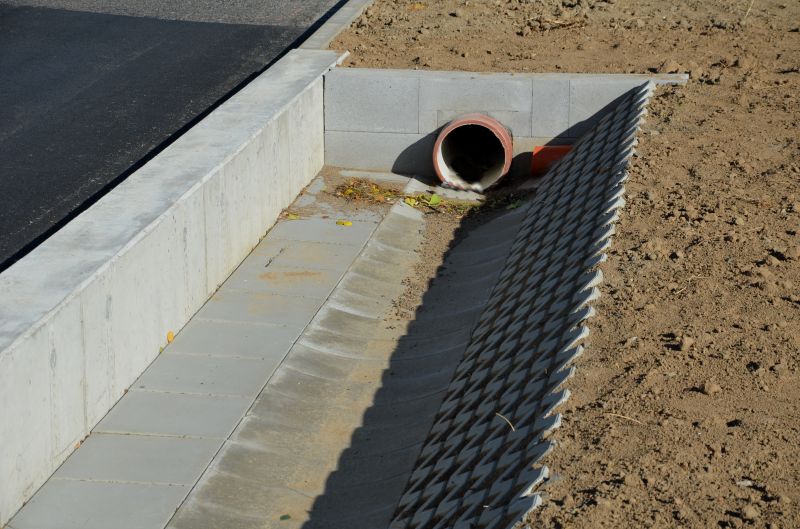
Ways to make Storm Restorations work in tight or awkward layouts.
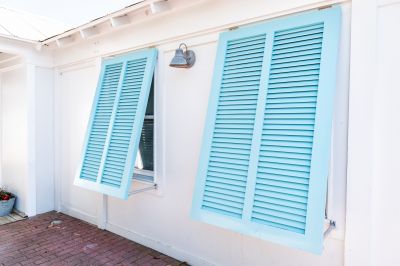
Popular materials for Storm Restorations and why they hold up over time.
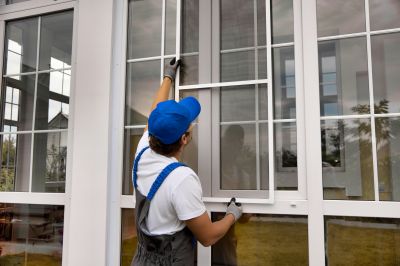
Simple add-ons that improve Storm Restorations without blowing the budget.
| Factor | Impact on Timing |
|---|---|
| Storm Season | Scheduling restorations during off-peak months reduces delays. |
| Weather Conditions | Clear, dry weather improves safety and efficiency. |
| Damage Severity | Severe damage may require immediate action regardless of season. |
| Resource Availability | Availability of restoration crews and materials influences timing. |
| Local Climate | Understanding regional weather patterns aids in planning. |
Storm restorations involve repairing and restoring structures damaged by severe weather events. These efforts include fixing roofs, siding, windows, and other critical components to ensure safety and structural integrity. Timely restoration minimizes the risk of secondary damages such as water infiltration, mold growth, and structural weakening. Effective planning and execution during suitable weather conditions can significantly improve the quality and longevity of repairs.